
Why Do Online Holiday Prices Jump at Checkout? (And How to Avoid the Trap)
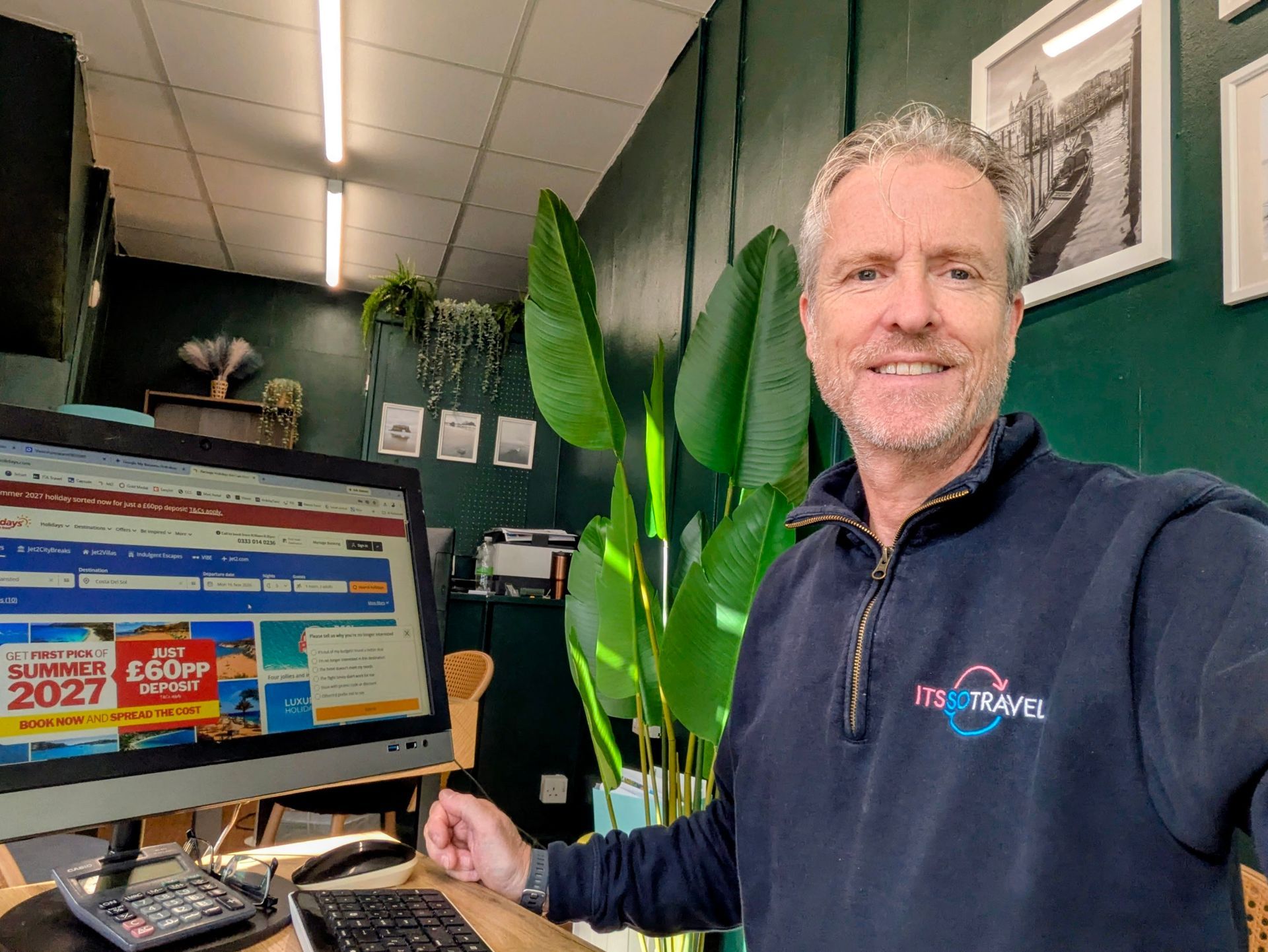
Have you ever spent an hour building what looked like the deal of a lifetime online—only to watch the price spike by £300 or £400 the moment you click through to the final payment screen?
It is one of the most common frustrations travellers face. You see an attractive headline price for a holiday, you invest your time picking your flights and hotel, and then a cascade of unexpected fees gets tacked on right at the end.
Why does this happen, and why are online holiday prices so often different from what you actually end up paying? Let’s pull back the curtain on dynamic pricing, hidden extras, and how high street travel agencies do things differently.
1. The "Headline Price" Trap
Many mass-market online booking engines and self-pack sites rely on a marketing strategy designed to catch your eye in search results. The initial headline figure usually represents the absolute bare minimum:
- Basic Seat Allocation: Often restricted to the middle seat at the back of the aircraft.
- Zero Luggage: Cabin bags only, with strict weight limits that trigger heavy gate fees if exceeded.
- Room-Only Basics: The cheapest, unrefurbished room category with a view of the car park.
By the time you add the components you actually need for a comfortable holiday, that "bargain" price has completely vanished.
2. Dynamic Pricing and Live Inventory Shifts
Travel inventory changes by the second. Airlines and hotels use automated yield management systems—similar to how Uber uses surge pricing—which track demand in real-time.
- Ghost Fares: When you search for a flight online, you might be looking at a fare that was entered into a global distribution system hours or days ago. The moment you try to lock it in, the system realizes that particular seat tier has sold out, and it automatically bumps you up to the next available (and more expensive) pricing tier.
- The Cookie Effect: While debated, tracking cookies can sometimes reflect changing availability or rising interest for a specific route during a browsing session, creating a psychological sense of urgency to buy quickly before the price goes up again.
3. The Hidden Extras That Add Up Fast
When you piece a holiday together yourself online, every single element of the journey is billed separately. By the time you piece it all together, those "optional" extras become mandatory expenses:
- Airport Transfers: That hotel might look like a great deal until you realize it’s an hour and a half away from the airport, and a private taxi or shuttle bus will cost you an extra £150 return.
- Resort and City Taxes: Many international destinations (especially in parts of Europe and the USA) charge mandatory local tourist taxes or resort fees that are rarely included in upfront online accommodation prices—meaning you have to pay them directly at the hotel front desk.
- Baggage and Seat Selection: Travelling as a couple or family means wanting to sit together and bringing more than a small backpack. Adding checked luggage across multiple flights quickly adds hundreds of pounds to the ledger.
4. The Peace of Mind of Total Price Transparency
When you book through an independent high street agency like ItsSo Travel, our job is to strip away the smoke and mirrors.
When we quote you a price for a package holiday, a cruise, or a tailor-made itinerary, we include the essentials upfront—such as transfers, luggage allowances, and financial protection—so you don't get a nasty surprise at checkout. If a price changes due to live airline seat availability, we explain exactly why before you hand over any money.
The Bottom Line
If you're tired of playing a guessing game with online checkout screens, you don't have to navigate it alone.
If you want straight-talking pricing where what you see is what you get, pop in and see us at our Torquay Harbour or St Marychurch shops, or give us a call. We're always happy to give you a transparent, fully costed quote from the start.